Free vs Paid AI Subscriptions for Individuals
Whether to pay depends entirely on how deeply AI is woven into your actual work.
Felix Sabatini
Whether to pay depends entirely on how deeply AI is woven into your actual work.
Leaderboards rank models on benchmarks, not on how they'll actually perform at your specific tasks.
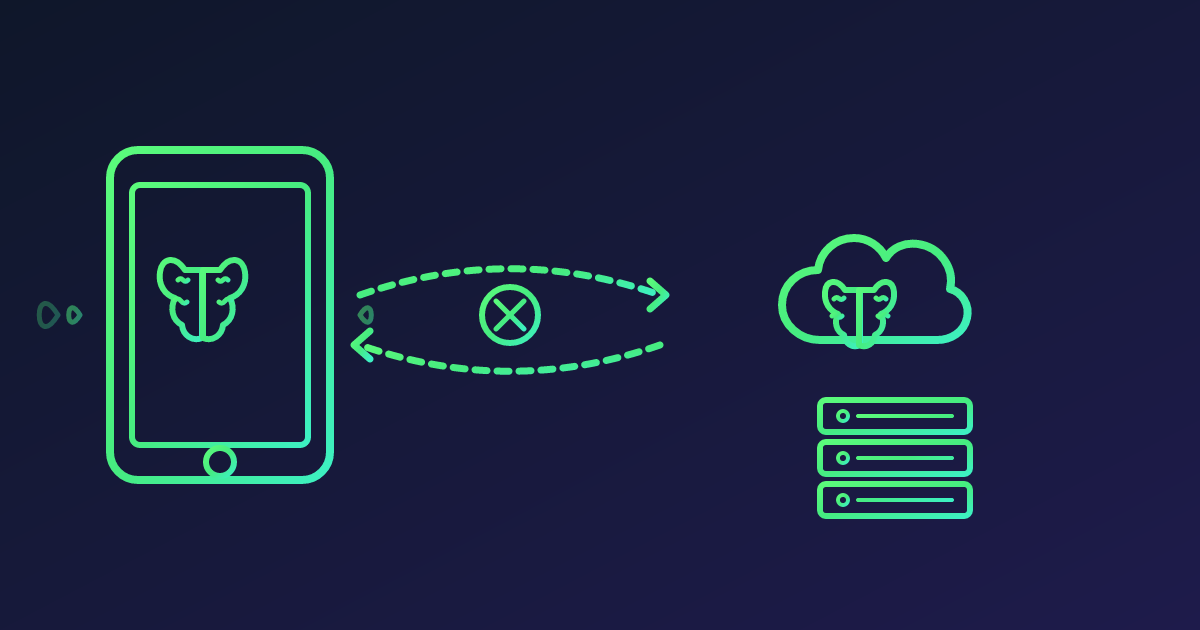
Memory bandwidth, not raw compute, determines whether on-device AI can match cloud performance.
AI models work better with intentional personal context, not behavioral tracking.
Google's AI can access your entire email, photo, and search history to answer questions.
Popular AI apps collect far more data than users realize, and share it in ways they cannot control.
The ability to read emotions differs fundamentally from understanding personality across time.
Modern AI assistants answer ambiguous questions confidently without asking for clarification first.
People still type into AI tools despite having cameras and microphones that could do more.
Personal intelligence is AI calibrated to how you think, not how everyone thinks.
Context windows and persistent memory solve different problems—know which one you actually need.
AI systems forget you by design, but memory layers let them learn who you are across conversations.
AI handles the hiring chaos that drowns SMBs before better decisions even matter.
ChatGPT, Gemini, and Claude now split a market that used to look like it belonged to one.
AI can reveal real patterns in how you think, but the act of reflection itself reshapes who you are.
Tracking data only builds self-awareness when paired with honest reflection.
Biases that feel like clear thinking quietly sabotage your ability to improve.
Naming your hidden assumptions lets you swap them out for better ones.
Models reprocess conversation history each time instead of truly remembering it.
When free AI hits its limits, the cost of upgrading becomes a question of professional necessity.